
Economy
Philippine Inflation Nears 4% as Oil Crisis Triggers Energy Emergency

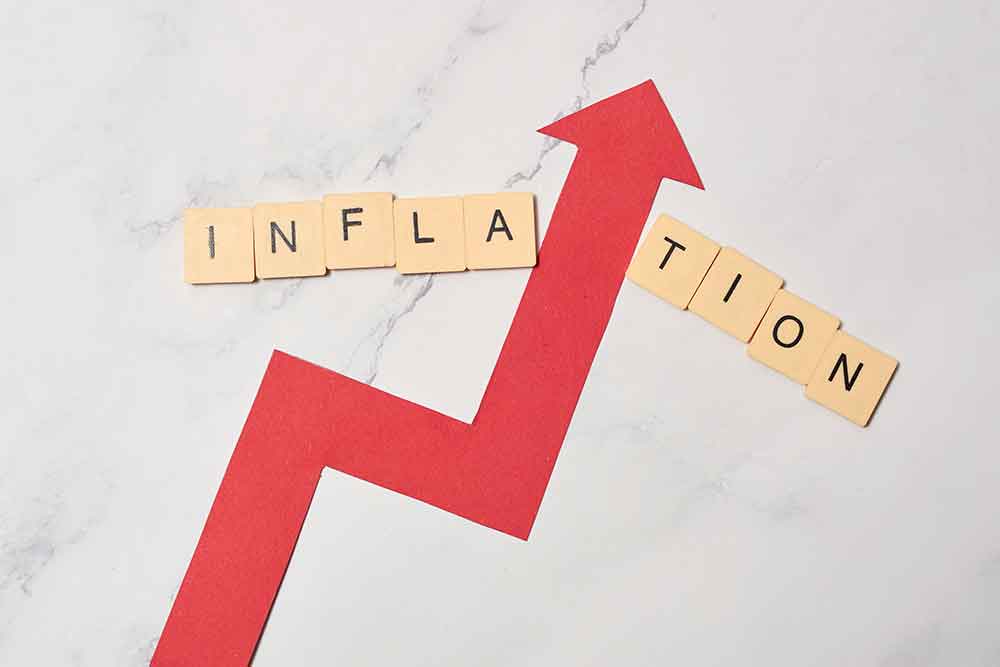
Consumer prices in the Philippines are poised to surge near 4% in March, driven by a global oil crisis that prompted President Ferdinand Marcos Jr. to declare a national energy emergency last week.
The Bangko Sentral ng Pilipinas projects headline inflation between 3.1% and 3.9% when official data drops Tuesday, more than doubling February’s 2.4% rate and testing the upper edge of its 2–4% target. Skyrocketing fuel costs, rice prices, electricity rates, and a weakening peso are the culprits, with diesel topping ₱130 per liter and gasoline exceeding ₱100 per liter. The peso hit a record ₱60.748 per dollar on March 31.
On March 24, Marcos signed Executive Order No. 110 after the Strait of Hormuz closure disrupted 98% of the country’s oil imports from the Gulf. By March 27, 425 gas stations had closed nationwide, per the Department of Energy.
Growth risks are mounting. The World Bank warns a 10% oil price hike could shave 0.3–0.5 points off inflation, while sustained high energy costs might cut nominal household incomes by 3.3% and slow GDP. ING slashed its 2026 growth forecast to 4.5% from 5.2%, and the BSP now eyes full-year inflation at 5.1%. Security Bank’s Angelo Taningco predicts a policy U-turn with rate hikes as soon as April.
The Philippine Statistics Authority’s March figure, due April 7, will clarify the shock’s depth.