
News
DOLE Backs Marcos Push to Raise Tax-Free Income to P350,000

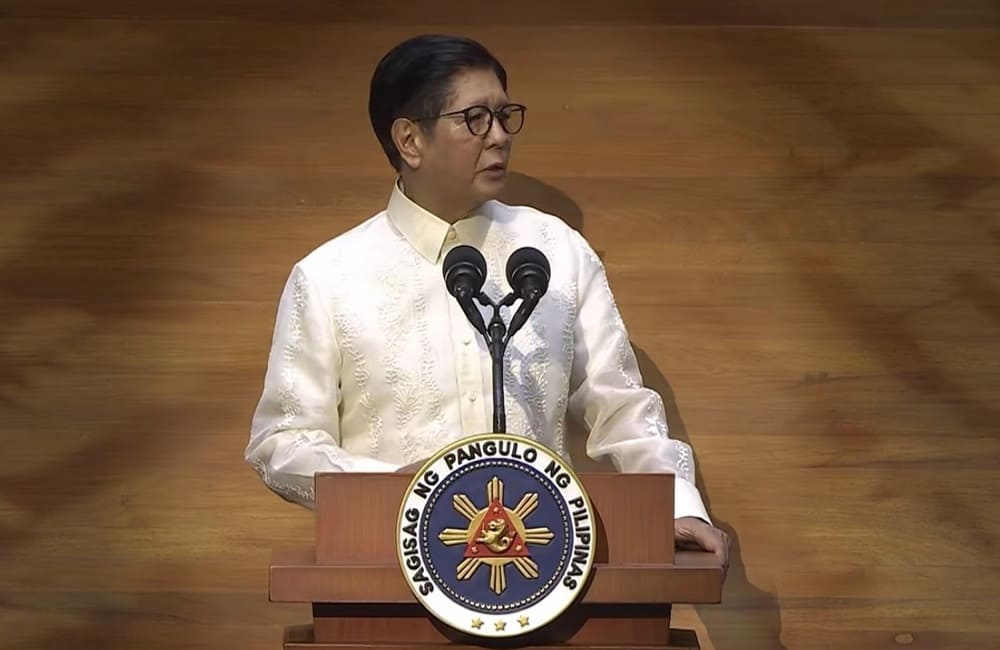
The Department of Labor and Employment (DOLE) has thrown its full support behind President Ferdinand Marcos Jr.’s proposal to raise the annual income tax exemption threshold from P250,000 to P350,000, a move the administration says will deliver significant tax relief to middle-class workers.
What the Proposal Means for Workers
Labor Secretary Francis Tolentino said the measure would allow more Filipinos, especially those in the middle-income bracket, to take home a larger share of their salaries. While minimum wage earners already enjoy tax exemptions, many workers earning slightly above the minimum currently fall into the taxable bracket and would benefit from the higher threshold.
During his fifth State of the Nation Address (SONA) on Monday, July 27, Marcos urged Congress to pass legislation expanding income tax relief, saying it could benefit millions and let workers “enjoy their hard-earned income.” Alongside the personal income tax change, he also proposed exempting small businesses from the minimum corporate income tax and introducing a broad tax amnesty covering unpaid income, estate, donor’s, and value-added taxes.
Legislative Action Already Underway
Senate President Pro Tempore Vicente “Tito” Sotto III moved quickly to translate the proposal into law, filing Senate Bill No. 2338, or the “Expanded Income Tax Exemption of 2026,” on Tuesday. The bill seeks to exempt individuals earning P350,000 or less annually from income tax starting January 1, 2027.
“This measure aims to provide meaningful tax relief and allow Filipino workers to keep more of what they earn,” Sotto said.
Under the current Tax Reform for Acceleration and Inclusion (TRAIN) Law, which took effect in 2018, only those earning P250,000 or less per year are exempt from income tax, with earnings above that amount subject to a 20 percent levy.
Context and Criticism
The proposal comes as the first tranche of a new minimum wage hike takes effect on July 25, part of a broader effort to ease the cost-of-living pressure on workers. Business groups and tax experts have generally welcomed the plan but have also called for accompanying reforms to keep government finances sustainable.
Labor organizations, however, have voiced criticism, saying the SONA did not go far enough on concrete wage increases and job security measures. Tolentino acknowledged that implementing the tax exemption would require amending the National Internal Revenue Code and expressed hope that the measure could be enacted before the end of the year.
If passed, the P350,000 exemption would mark the most significant expansion of personal income tax relief since the TRAIN Law, potentially reshaping take-home pay for a large segment of the Philippine workforce.