
Economy
Housing Prices Climb as Loans Contract, Vacancy Risks Rise

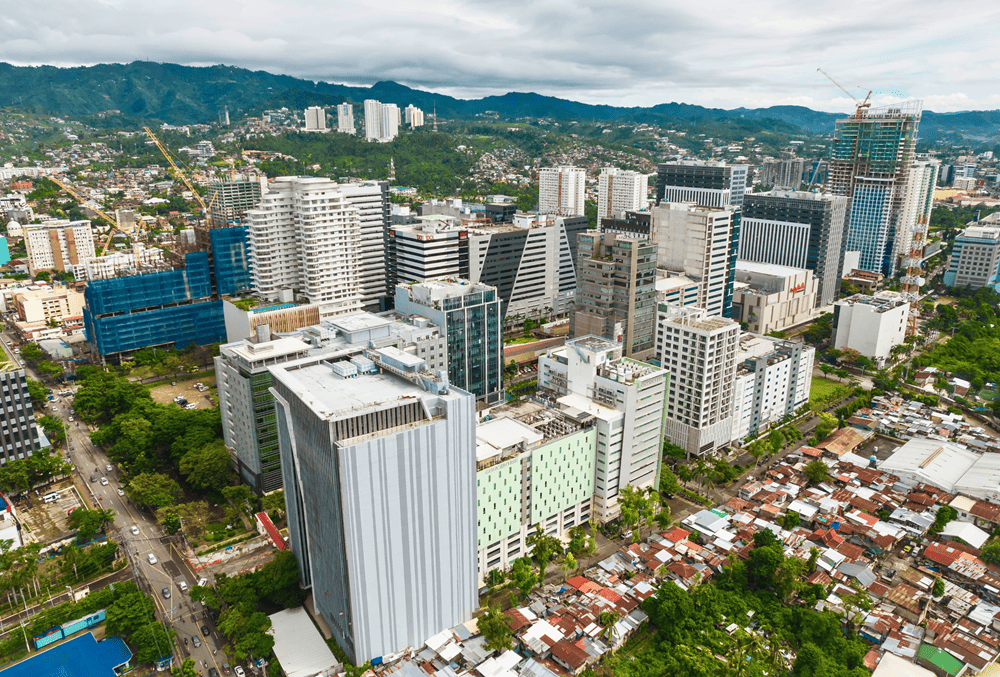
Residential property prices in the Philippines posted their strongest quarterly gain on record in the first quarter of 2026, driven by a sharp recovery in Metro Manila even as mortgage lending remained weak.
The Bangko Sentral ng Pilipinas (BSP) said its Residential Property Price Index (RPPI) rose 5.6 percent quarter‑on‑quarter in January–March, reversing a 1.3 percent decline in the final quarter of 2025. On a year‑on‑year basis, prices were up 4.5 percent, the fastest annual pace since mid‑2025.
Metro Manila led the turnaround. Prices in the National Capital Region jumped 10.4 percent from the previous quarter after three straight quarters of contraction. Outside the capital, residential prices climbed 2.5 percent quarter‑on‑quarter; on an annual basis, areas outside NCR posted stronger growth of 5.7 percent compared with the capital’s 3.5 percent.
Condominium units accounted for much of the national rebound following three quarters of falling values. Colliers Philippines reported a dramatic rebound in condominium pre‑sales in Metro Manila, which surged 765 percent in Q1 2026 from an exceptionally weak base a year earlier when many buyers withdrew amid higher borrowing costs. Affordable and economic units made up about 74 percent of take‑ups during the quarter.
Despite the price gains, loan demand stayed subdued. The BSP noted that residential real estate loans contracted across regions and housing segments as consumers remained cautious and banks kept lending standards tighter. The gap between rising prices and falling loan volumes highlights a market still adjusting to higher borrowing costs. The BSP has raised its policy rate twice so far in 2026, most recently to 4.75 percent in May, as it seeks to rein in inflation that remains above the central bank’s 2–4 percent target range.
Analysts cautioned that the recovery faces several risks. Colliers Philippines Head of Research Joey Bondoc flagged the ongoing Middle East conflict as a potential drag on housing demand and costs, noting possible impacts on remittances from overseas Filipino workers and on prices for construction materials. Colliers also warned that Metro Manila’s residential vacancy rate could climb to a record 25.6 percent by the end of 2026 if supply growth outpaces demand.
The diverging signals, strong price momentum concentrated in the capital and lower‑end condo market versus weak mortgage activity and rising vacancy risks, suggest the housing market’s path will depend on how quickly borrowing costs ease, remittance flows stabilize, and developers align new supply with demand. For buyers and investors, experts advise close attention to project location, unit mix, and financing conditions as the market recalibrates.