
News
Philippines Leads Global Rooftop Solar Surge as Power Bills Spike

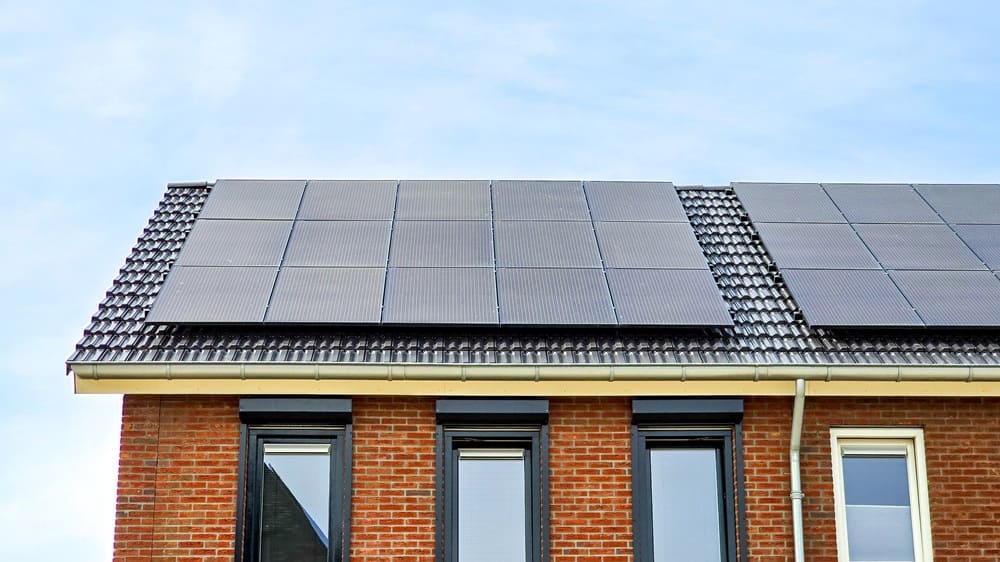
As electricity prices climbed to some of the highest levels in Southeast Asia, Filipino households have raced to install rooftop solar panels at a pace unmatched anywhere in the world.
Imports of solar modules to the Philippines jumped 145% year‑on‑year to $407 million in the three months through May 2026, according to Reuters. That influx has helped push rooftop solar capacity to roughly 1,300 megawatts by early 2026, up from 721 MW a year earlier.
A crisis-driven transition
The shift has been driven by soaring retail electricity tariffs. Manila Electric Company (Meralco) tariffs reached PHP 13.82 per kilowatt-hour in March 2026, making grid power prohibitively expensive for many households. As a result, the typical payback period for a residential rooftop system has fallen to about three years, down from around four years in May 2025, energy think tank Ember found. After breakeven, households generate electricity at the equivalent of PHP 2.50–5.30 per kWh, a fraction of current grid prices.
Falling equipment costs have helped accelerate adoption. System prices for rooftop installations dropped roughly 20–30% over two years, from about PHP 80–90 per watt in 2024 to PHP 55–75 per watt in 2026. At the same time, inquiries to solar installers nationwide surged by an average of 582% after the global fuel shock began, according to survey data from New Energy Nexus.
China’s role and the supply picture
China supplied a large share of the new panels. More than 4 gigawatts were exported to the Philippines between January and April 2026, making the country China’s second-largest solar export market after the Netherlands, Ember reported. That flow of equipment has been essential to meeting the sudden spike in demand.
Installers say the main barriers to sustaining the boom are access to financing, faster permitting processes, and an expanded installation workforce.
Government steps and market outlook
Policymakers have moved to ease supply constraints and speed project development. The government activated 250 MW of additional solar capacity and 450 MWh of battery storage in late March, and the Department of Energy announced plans to fast-track 22 renewable and storage projects totaling 1,471 MW.
Advocacy groups are pushing for tax relief, notably the removal of value‑added tax and import tariffs on solar equipment, to further lower costs and broaden access.
The power market operator projects that growing renewable adoption could reduce average annual spot electricity prices by as much as 24% by 2029, a potential relief for consumers and businesses alike.