Lifestyle
Stuck in the “ID to Get an ID” Loop? Here’s How a Postal ID Breaks the Cycle

You need a valid ID to open a bank account. You need a job to get a company ID. You need an ID to apply for… an ID.
For millions of Filipinos, fresh graduates, first-time job seekers, stay-at-home parents re-entering the workforce, residents of far-flung barangays, the so-called “ID paradox” is not a joke. It is a genuine wall. Every government transaction, every employment application, every financial service seems to demand a piece of identification that you cannot get because you do not yet have a piece of identification.
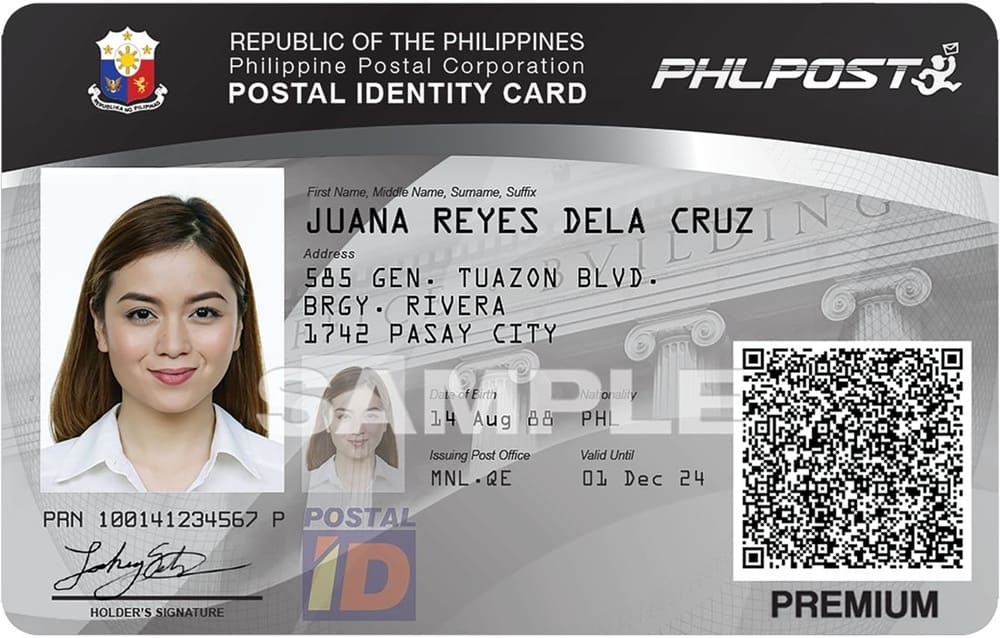
The Philippine Postal Corporation (PHLPost) wants to make one thing unmistakably clear: that wall does not exist for the Postal ID. You do not need another valid government-issued ID to apply. And the process is simpler than most people realize.
What You Actually Need (It’s Less Than You Think)
Forget the mental checklist you’ve been building from hearsay, group chats, and outdated forum posts. For a first-time Postal ID applicant, PHLPost requires only three things:
1. A Birth Certificate.
This is your primary document. A PSA-authenticated copy is ideal, but a locally issued copy from the civil registrar is also accepted. If you’ve misplaced yours, the PSA website allows online requests with delivery to your address.
2. Proof of Address.
The most common option is a Barangay Certificate confirming your residency. However, and this is the part many applicants overlook, if you cannot secure a Barangay Certificate, PHLPost accepts alternatives:
- A recent electricity bill (Meralco, local cooperative, etc.)
- A recent water bill
- An internet or landline bill
- Any other utility bill that clearly shows your name and current residential address
The document simply needs to tie your name to where you live. It does not need to be government-issued.
3. A Duly Accomplished Postal ID Application Form.
This is available at any PHLPost branch or can be downloaded from the PHLPost website. Fill it out before your visit to save time at the counter.
That’s it. No NBI clearance. No existing driver’s license. No passport. No previous government ID of any kind.
Why the Confusion Exists
The misconception that you need an ID to get an ID has persisted for years, largely because other government agencies do require supporting identification for their own cards and documents. Applicants conflate the requirements. A friend says, “I needed my UMID to get my passport,” and suddenly everyone assumes the same chain applies everywhere.
PHLPost issued its clarification specifically to dismantle that assumption.
“The Postal ID has always been intended to make it easier for Filipinos to establish their identity, especially those applying for their first government-issued ID,” said Postmaster General and CEO Maximo C. Sta. Maria III. “By presenting a Birth Certificate and proof of address, eligible applicants can already begin the process of securing a trusted government-issued ID.”
In other words, the Postal ID was designed to be the first link in the chain, not another link that requires the chain to already exist.
Who Benefits Most
The accessibility of the Postal ID makes it a practical lifeline for:
- Students and fresh graduates who need identification for job applications, board exams, or opening their first bank account.
- First-time job seekers who cannot meet employer ID requirements.
- Senior citizens and solo parents who may not have updated identification and need a valid ID to access government benefits and discounts.
- Persons with disabilities (PWDs) who require identification to register for PWD privileges and assistance programs.
- Residents of underserved or remote communities where access to multiple government agencies is limited, but a post office is within reach.
What You Can Do With It Once You Have It
A Postal ID is not a placeholder. It is a fully recognized government-issued identification card accepted in both public and private transactions. Among its uses:
- Opening a bank account
- Applying for a passport
- Claiming parcels and processing mail
- Conducting legal and financial transactions
- Presenting valid identification for employment, government services, and private-sector requirements
For many Filipinos, it is the single document that transforms them from “undocumented” to “verified” in the eyes of institutions and that shift unlocks everything else.
A Practical Walkthrough: Your First Visit
If you’ve never set foot in a post office for an ID application, here’s what to expect:
- Prepare your documents the night before. Birth certificate, proof of address, and a printed (or neatly handwritten) application form. Bring photocopies as well. Some branches require one.
- Go to your nearest PHLPost branch. You do not need an appointment for most locations, but arriving early reduces wait time.
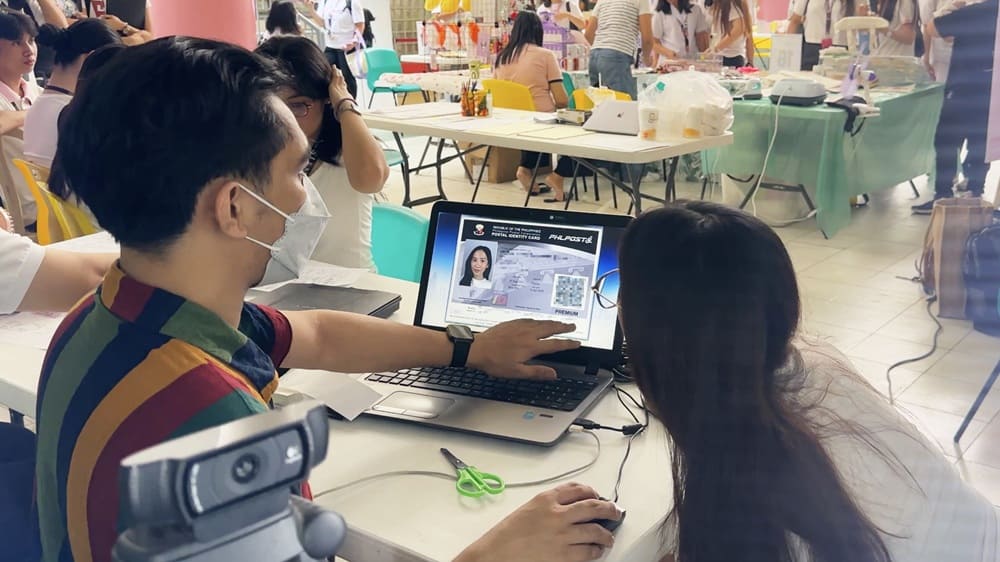
- Submit your documents at the counter. A staff member will verify your paperwork. If everything is in order, you’ll proceed to data capture.
- Have your photo and biometrics taken. This is done on-site. Dress presentably. You’ll be looking at this photo for years.
- Pay the processing fee. Fees are minimal and vary slightly depending on the type of Postal ID (regular or upgraded).
- Wait for release. Processing times vary by branch, but many applicants receive their ID within a few working days to a couple of weeks.