
Lifestyle
Superfoods Spotlight: What’s Hype vs. What’s Helpful

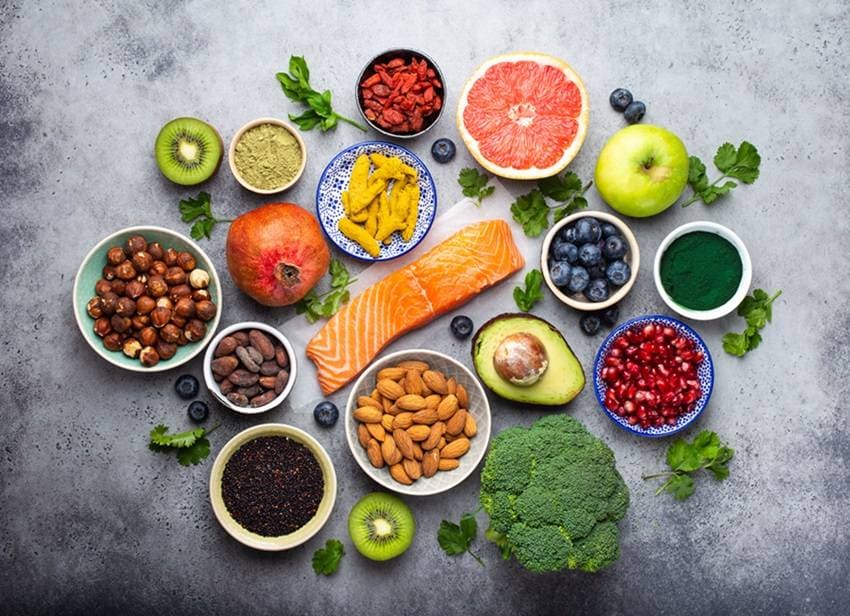
In the age of Instagram smoothies and TikTok wellness hacks, “superfood” has become a buzzword promising miracle benefits and instant health boosts. But are these trendy ingredients truly super or just super-marketed? Let’s take a closer look at what lives up to the hype and what might just be a well-packaged placebo.
The Science Behind “Superfood”
Although there’s no official definition from health authorities, “superfoods” typically refer to nutrient-dense ingredients linked to exceptional health benefits, rich in antioxidants, fiber, vitamins, and healthy fats. According to Harvard Health, the real powerhouses are often those found in everyday meals rather than on boutique wellness shelves.
What’s Helpful: Evidence-Based Superstars
- Leafy Greens (Spinach, Kale)
These are packed with vitamins A, C, and K and essential minerals. Their anti-inflammatory effects and support for heart and bone health are well-documented by Harvard’s research. - Berries (Blueberries, Strawberries)
Loaded with antioxidants like anthocyanins, berries have been shown to protect against cognitive decline and improve circulation. The same Harvard Health article confirms their ranking among the top science-backed superfoods. - Nuts & Seeds (Chia, Flax, Almonds)
Their combination of omega-3 fatty acids, plant protein, and fiber supports heart function and helps regulate blood sugar levels. As noted by Medical News Today, even small servings can deliver substantial nutrition. - Oily Fish (Salmon, Sardines)
Rich in omega-3 fatty acids, these have consistently shown benefits for cardiovascular and brain health. - Fermented Foods (Kimchi, Yogurt, Tempeh)
These promote a healthy gut microbiome and immune system. Their probiotic value is well-recognized.
What’s Mostly Hype: Marketed but Overrated
- Goji Berries
While nutritious, their benefits are often exaggerated in comparison to affordable fruits like papaya or guava. A breakdown by Science News Today cautions against assuming “exotic” equals “better.” - Acai Bowls
Originally nutrient-rich, these often come drenched in sugary toppings that dilute their health appeal. The same source points to marketing over science in how they’re commonly presented. - Coconut Oil
Once a darling of the wellness world, new studies question its health halo due to high saturated fat. The Lifestyle Dietitian advocates for moderation, emphasizing that it’s no cure-all. - Wheatgrass Shots
Often touted as detox miracles, wheatgrass lacks strong scientific backing. The Lifestyle Dietitian article recommends prioritizing whole vegetables instead. - Superfood Powders (Maca, Spirulina)
Convenient, yes, but they can be expensive and less nutritionally balanced than real foods. According to Science News Today, many of these powders are overhyped and under-researched.
Rather than chasing imported trends, consider diversity over novelty, a colorful plate is a nutrient-rich one. Southeast Asia boasts nutritional heavyweights like moringa (malunggay), turmeric, and bitter melon, which are not only potent but also affordable. As highlighted by Science News Today, these local ingredients rival their more globally marketed counterparts. Choosing whole foods over processed powders is typically better for digestion, satiety, and your budget.
The most powerful options are usually simple, accessible, and backed by science. So, before splurging on the latest imported berry blend or trendy green powder, take a look around your local market, you might already have a true superfood hero in your basket.