
Economy
Balancing Wage Growth: The Economic Effects of a ₱200 Wage Hike

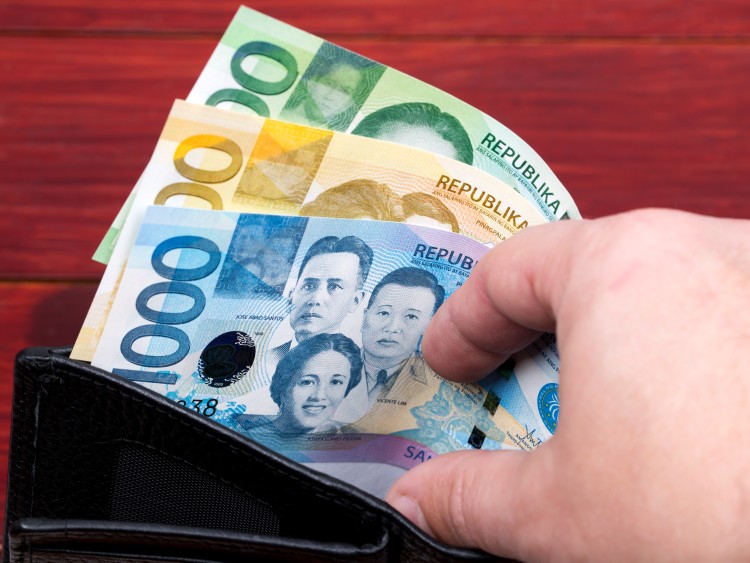
The House of Representatives recently approved a ₱200 daily wage increase for private-sector workers, sparking discussions on its effects across businesses, employees, and consumers. While the measure aims to improve workers’ livelihoods, it also raises concerns about inflation, employment stability, and business sustainability.
Effects on Companies
Businesses, particularly micro, small, and medium enterprises (MSMEs), may struggle to absorb the additional labor costs. Some companies warn that the wage hike could lead to:
- Layoffs and reduced hiring to offset increased expenses.
- Higher operational costs may force businesses to raise prices.
- Potential relocation of investments, as foreign investors may reconsider the Philippines due to rising labor costs.
Effects on Employees
For workers, the wage increase offers higher take-home pay, improving their ability to afford basic necessities. However, concerns remain:
- Job security risks, as some businesses may downsize.
- Salary distortions, where employees earning slightly above minimum wage may demand proportional increases.
- Inflation concerns, as higher wages could drive up the cost of goods and services.
Effects on Consumers
Consumers may experience price hikes on goods and services as businesses adjust to higher labor costs. This could lead to:
- Increased cost of living, particularly for non-wage earners like farmers and drivers.
- Potential inflationary effects, making essential goods more expensive.
- Changes in spending habits, as households may prioritize necessities over discretionary purchases.
How Other Countries Handle Wage Adjustments
Globally, different countries have varied approaches to wage increases. Some nations, like Australia and Luxembourg, have among the highest minimum wages, ensuring workers maintain a high standard of living. Meanwhile, countries such as South Korea and Japan adjust wages based on economic conditions and inflation rates.
The OECD reports that real wages in many countries have started regaining lost ground after inflationary pressures in recent years. Governments often balance wage hikes with tax incentives or subsidies to help businesses cope with increased labor costs.
Government Considerations
President Ferdinand Marcos Jr. has stated that the economic implications of the wage hike will be carefully studied before final approval. Business groups have urged further consultations to ensure a balanced approach that benefits both workers and employers.
The debate continues as policymakers weigh the economic trade-offs of the wage increase. While it aims to improve workers’ financial stability, its broader impact on businesses and inflation remains a key concern.