Personal Finance
How to Be Smart about Debt When You Take Out Your First Loans

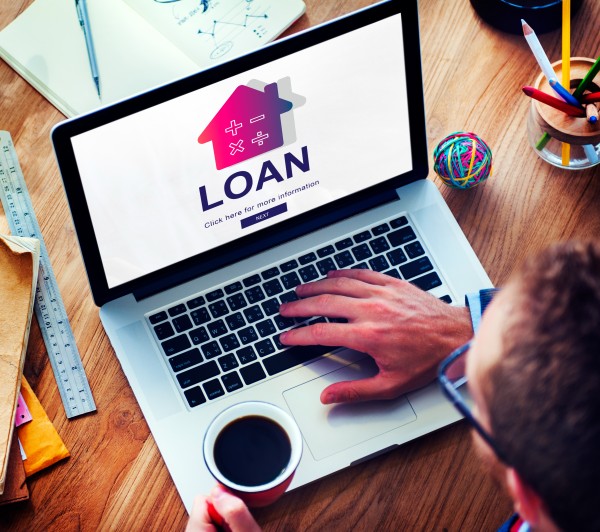
Debt often gets a negative reputation, but it isn’t always a bad thing. When used wisely, debt can be a useful avenue for achieving important goals, like making home improvements or covering emergency expenses. A personal loan Philippines program, for example, offers flexibility because it can be used for a wide range of needs and is often more affordable than credit card debt.
Borrowing money only becomes problematic when it is taken out for unnecessary expenses or when monthly payments exceed what you can afford. Without proper financial planning, however, loans can lead to missed payments, mounting interest, and even long-term financial instability.
To avoid these potential pitfalls, it’s important to be smart about your debt. Here are some practical tips to help you borrow responsibly and keep your financial health in check:
1) Borrow Only What You Need and Can Afford
One common mistake among first-time borrowers is taking out more money than necessary simply because it’s available. But borrowing beyond your actual needs can quickly lead to excessive debt. The more you borrow, the higher your monthly payments will be, and the more interest you’ll end up paying over time.
Before applying for a loan, evaluate your financial situation. List down your sources of income and your monthly expenses, including rent, utilities, food, transportation, and other essential costs. Doing so will give you a clear picture of how much you can afford to pay toward loan installments without overstretching your budget.
2) Set a Budget Before Taking Out a Loan
A budget serves as your financial roadmap, helping you manage your income and expenses while staying on track with your loan payments. When you’re considering taking out a loan, it’s important to update or create a detailed budget that includes your loan repayment amount. This way, you’ll see whether you can accommodate the additional expense or whether you need to make adjustments, such as cutting back on discretionary spending (like dining out or shopping for non-essentials).
3) Pay Your Loans on Time
Making timely loan payments is one of the most important steps when it comes to managing your debt responsibly. Your effort to pay your loans on time will help you avoid late fees and penalties, protect your credit score, and keep your financial obligations in check. In the Philippines, having a good credit history can improve your chances of qualifying for better loan terms in the future, whether you’re applying for housing, a new car, or a business loan.
To avoid missing payments, consider automating your loan repayments if your bank or lender offers this option. You can also set reminders on your phone or mark your calendar to alert you a few days before your due date.
4) Make Extra Payments Whenever You Can
If your budget allows it, making extra payments on your loan can significantly reduce the total amount you owe. This is because loans accumulate interest over time, and the faster you pay down the original amount borrowed, the less interest you’ll pay overall.
For instance, if you receive a bonus at work, income from freelance projects, or even small windfalls, consider using part of that money to make additional payments toward your loan. Even small amounts can make a big difference over time by shortening your loan term and reducing your interest costs.
5) Consider Consolidating Your Loans
It can become challenging to keep track of all the due dates and payment amounts if you have multiple loans. In this situation, loan consolidation might be a good solution. This involves combining multiple loans into a single loan with one monthly payment.
Consolidating your loans can simplify your financial life and may even help you secure a lower interest rate, depending on the terms offered by your lender. However, it’s important to carefully review the terms and conditions before consolidating. Make sure the new loan offers better repayment terms and doesn’t come with hidden fees that could cancel out the potential savings.
6) Increase Your Earnings to Stay Ahead
Another way to make your debt more manageable is to increase your income. When you have additional earnings, it becomes easier to stay on top of your loan payments and avoid financial stress. In today’s digital age, there are many opportunities to boost your income, from taking on freelance work to starting a side hustle or upskilling to qualify for higher-paying jobs.
7) Pay Yourself First
The strategy of paying yourself first is a powerful one for building long-term financial security. This means setting aside money for savings before paying for other expenses.
Make it a point to prioritize your savings and build up an emergency fund, which can serve as a financial cushion in case unexpected expenses arise. Having an emergency fund also reduces your reliance on loans when unexpected situations, such as medical bills or home repairs, come up.
Your first loan is an opportunity to build good financial habits that will serve you well throughout your life. Stay disciplined, proactive, and mindful of your spending, and you’ll be on your way to a brighter, debt-free future. (MCN)