Economy
The Digital Economy: Powering the Next Wave of Global Growth

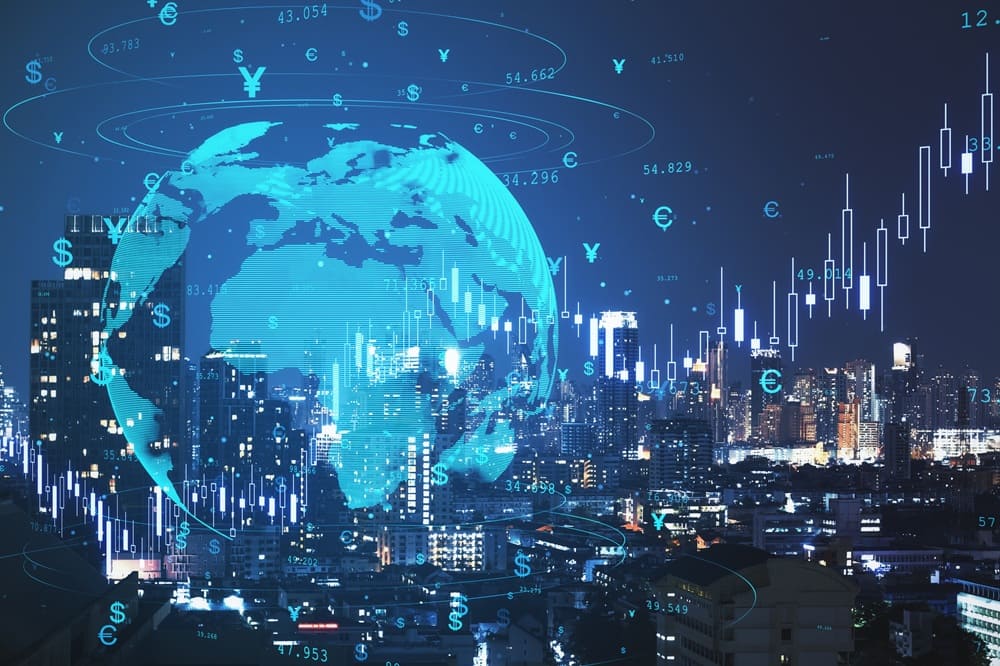
The digital economy, encompassing e-commerce, fintech, artificial intelligence, cloud computing, and data-driven services, has emerged as the fastest-growing segment of global GDP. Analysts project it will reach $28 trillion by 2026, contributing nearly a quarter of worldwide economic output. Unlike traditional industries, digital platforms scale rapidly, crossing borders with minimal friction and transforming how people work, shop, and learn.
Artificial intelligence is at the forefront of this transformation, reshaping industries from healthcare to logistics by enabling smarter decisions and faster innovation. Generative AI enrollments are surging, with Filipinos signing up for AI courses every seven minutes on Coursera. This reflects a global shift toward skills-first growth, where digital literacy is as critical as traditional education. Fintech solutions are expanding financial inclusion, bringing banking and credit access to millions who were previously excluded. E-commerce continues to dominate consumer behavior, rewriting supply chains and redefining retail, while the expansion of 5G networks and fiber connectivity ensures that digital services are reaching even rural and underserved communities.
The digital economy is rapidly reshaping global productivity and competitiveness. AI-driven analytics optimize logistics, fintech empowers small businesses, and digital platforms allow entrepreneurs to reach global customers with unprecedented ease. For developing countries like the Philippines, this transformation offers a chance to leapfrog traditional barriers to growth and accelerate inclusive development.
Yet challenges remain. Unequal access to technology risks widening the digital divide between urban and rural communities. Cybersecurity threats intensify as more transactions move online, exposing vulnerabilities in data protection and privacy. Governments struggle to keep pace with innovations, from AI ethics to cross-border taxation, while automation threatens routine jobs, making reskilling and lifelong learning essential.
Despite these risks, opportunities abound. Skills development programs are equipping workers with expertise in AI, coding, and cybersecurity. Emerging green digital initiatives are linking sustainability with innovation, such as smart grids and carbon-tracking platforms. Fintech apps are bringing financial services to millions, while tourism and MSMEs are leveraging digital tools to market globally and streamline operations.
The digital economy is the new backbone of global growth. Nations that invest in digital infrastructure, education, and governance will harness their full potential, while those that lag risk being left behind. For the Philippines, embracing digital transformation means not only boosting competitiveness but also ensuring that every Filipino, from urban professionals to rural entrepreneurs, can thrive in this new era.