
Lifestyle
How Monitoring Your Body Composition Can Support Healthy Eating Habits

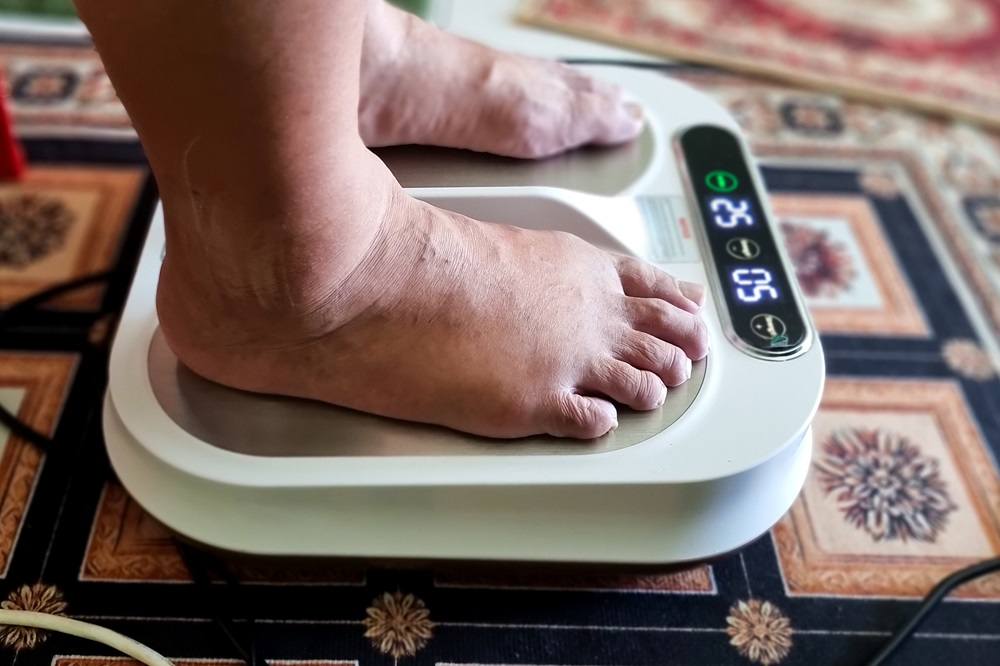
When it comes to health and weight management, many people focus solely on the number they see on the scale. But the truth is that these numbers don’t tell the whole story. Weight alone can’t reveal whether you’re losing fat or muscle, whether your body is well-hydrated, or if you’re carrying dangerous levels of visceral fat. This is where using a reliable, high-quality body composition monitor can make all the difference, offering deeper insights that help guide healthier eating habits and long-term success.
In this article, we’ll discuss how tracking your body composition can support and enhance your nutritional journey.
1. It Can Reveal Hidden Health Risks, Like Excess Visceral Fat
Visceral fat, or the kind of fat stored deep around your organs, is a major health risk that often goes unnoticed. Unlike the fat just under the skin, visceral fat can increase your chances of developing heart disease, type 2 diabetes, and other chronic conditions. A regular scale won’t tell you whether you’re carrying too much of this harmful fat, but a body composition monitor can.
When you know you’re at risk, you can make targeted dietary changes such as reducing processed foods, cutting back on added sugars, and increasing your intake of fiber and healthy fats. Monitoring visceral fat levels provides an early warning system and helps motivate lasting improvements in your eating patterns.
2. It Shows Whether You’re Losing Fat or Muscle
One of the biggest pitfalls of dieting is unintentionally losing muscle along with fat. Muscle is metabolically active tissue that supports your strength, posture, and metabolism. Without proper nutrition, and especially adequate protein, people trying to lose weight can end up breaking down muscle, slowing their progress and making it harder to maintain results.
Using a body composition monitor allows you to see whether weight changes are coming from fat loss or muscle loss. This insight will then help you adjust your food choices to better support muscle preservation, ensuring you’re losing the right kind of weight.
3. It Helps You Personalize Your Nutrition Strategy
No two bodies are exactly the same, so why follow a one-size-fits-all diet, right? Monitoring your body composition gives you personalized data that you can use to tailor your eating habits. For example, if your results show you’re low in lean muscle, you might increase your protein intake or incorporate resistance training. If you’re dehydrated, you can prioritize water-rich foods like fruits and vegetables or simply increase your fluid intake.
Having this detailed information allows you to make more informed, meaningful dietary decisions instead of guessing what might work.
4. It Provides Motivation by Showing Progress Beyond the Scale
Anyone who has tried to change their body knows the frustration of the dreaded “weight plateau.” That being said, weight is just one metric, and it often masks important positive changes happening underneath. You might be gaining muscle while losing fat, for example, which is a great result. Even then, the scale might barely move.
With a body composition monitor, you can see the full picture of your progress, including improvements in muscle-to-fat ratio and body fat percentage. This will ensure that you’re kept motivated to continue your healthy eating habits, even when the scale seems stubborn.
5. It Helps Identify the Impact of Dietary Changes
Maybe you’ve cut back on processed foods, started eating more whole grains, or swapped out sugary drinks for water. But exactly how do you know if all of these are really making a difference? Tracking your body composition allows you to measure the impact of these changes in a tangible way.
Seeing improvements in your fat mass or muscle mass after adjusting your diet reinforces that your efforts are paying off. It also helps you identify what’s working and what might need further tweaking, creating a feedback loop that supports continuous improvement.
6. It Reduces the Risk of Over- or Under-Eating
Many people miscalculate how much food they truly need, especially when trying to lose weight. Eating too few calories can lead to muscle loss, nutrient deficiencies, and slowed metabolism, while eating too many can stall fat loss. Understanding your lean body mass and overall composition allows you to set more accurate calorie targets that support your health goals.
A body composition monitor can help you avoid common dieting mistakes and ensure your eating plan is appropriately fueling your body, not depriving it or overloading it.
7. It Encourages a Long-Term, Balanced Approach to Food
Perhaps the most valuable way body composition monitoring supports healthy eating is by shifting your mindset. Instead of focusing only on short-term weight loss, you start paying attention to the bigger picture: maintaining muscle, reducing unhealthy fat, and building a stronger, more resilient body over time.
This encourages a more balanced approach to food, one that prioritizes nutrient-dense meals, adequate protein, hydration, and sustainable habits rather than restrictive or fad diets. You are encouraged to invest in your long-term health, not rely on just quick fixes.
A Body Composition Monitor Lets You Leverage Data to Adopt Healthier Eating Habits
Monitoring your body composition isn’t about chasing perfection or obsessing over numbers. It’s about gaining valuable insights into how your body responds to your eating habits so you can make smarter, more personalized choices.
A good body composition monitor becomes a trusted tool in this journey, helping you track meaningful changes, stay motivated, and fine-tune your nutrition for the best possible outcomes. Remember, real progress comes not just from what’s on your plate, but from understanding how those choices shape your body and health over time.