Personal Finance
Credit Scores in the Philippines: Do They Really Matter?

Imagine this: you’re ready to apply for a loan to start your dream café in Cebu IT Park. You’ve got the concept, the location, the passion, but the bank says no. Why? Your credit score.
Wait, what score?
For many Filipinos, the idea of a credit score still feels foreign. We grew up with cash, paluwagan, and the occasional utang from a kapitbahay. But times are changing, and your credit score might just be the invisible gatekeeper to your financial goals.
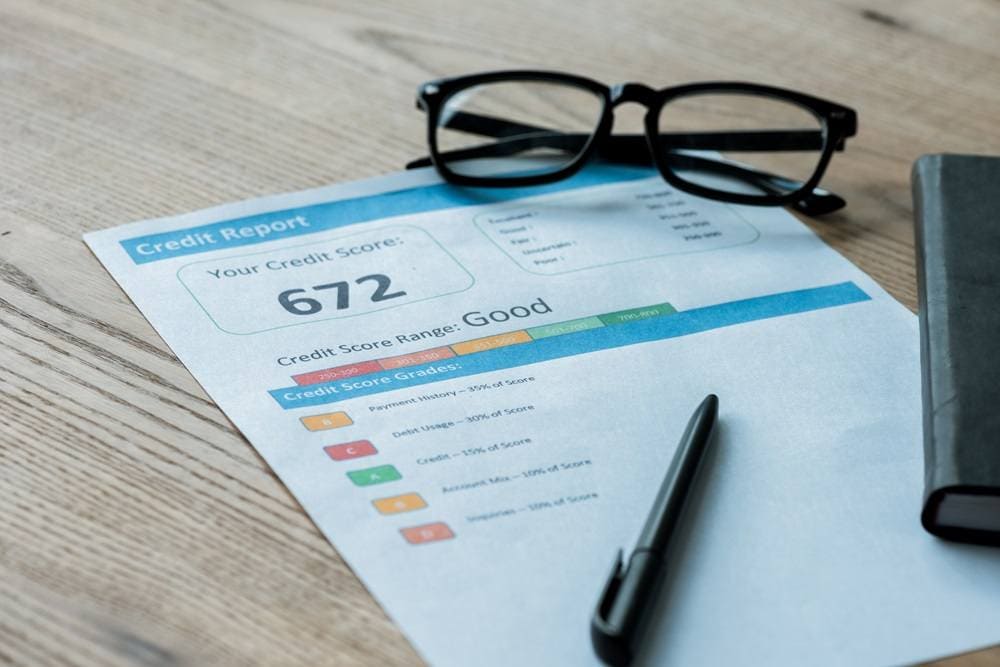
A credit score is like your financial reputation in number form. It tells banks and lenders how reliable you are when it comes to paying back borrowed money. The higher the score, the better your chances of getting approved and getting good terms.
In the Philippines, scores range from 300 to 850, and they’re tracked by credit bureaus like CIBI and the Credit Information Corporation (CIC).
Why It Matters More Than You Think
Your credit score plays a bigger role than most people realize. It directly influences loan approvals, as banks and lenders use it to determine not only your eligibility but also the interest rates you’ll be offered. When applying for credit cards, a strong score can unlock better perks and higher credit limits. For small and medium enterprises (SMEs) in Cebu, emerging platforms like the BSP-JICA Credit Risk Database are making it easier to access business funding. Even outside the financial realm, your score may come into play as some landlords and employers have begun checking credit histories as part of their screening process.
How to Check Your Credit Score
You can request your score through Lista app, a quick and mobile-friendly platform, and CIC’s website, which offers full credit reports and dispute options. It’s not free, but it’s affordable at around P235 for a full report.
How to Build or Improve Your Score
If you’ve never had a credit card or loan, you might not have a credit score yet, but that’s okay. You can start building one through consistent financial habits. Paying bills on time, including utilities and telco bills, contributes positively to your score. If you already have a credit card, using it wisely by keeping balances low shows responsible credit behavior. Avoid neglecting your debts, as missed payments can quickly damage your score. Lastly, keeping older accounts active helps, since a longer credit history adds to your credibility.
Financial Inclusion on the Rise
Innovations like AI-powered scoring systems from companies like Trusting Social are helping underbanked Filipinos, especially in provinces, access formal credit using telco data instead of traditional financial records. This means more Cebuanos can qualify for loans, even without a long banking history.